How to Import Rice from India: A Practical Guide for Global Buyers
Learn how to import rice from India: choose a variety, define specifications, approve samples, compare landed costs, and check export documentation.
By Kille Bhudargad Agro
The quick answer
To import rice from India, choose a variety for your market, agree on a written specification, approve a sample, compare the full landed cost, confirm packaging and shipping terms, and verify export and destination requirements before placing the order.
Wholesalers, distributors, retailers, restaurants, and private-label brands source Indian rice for everything from aromatic Basmati to everyday staples. The choice is wide, but a successful import depends on more than finding the lowest quotation.
The right variety, consistent quality, suitable packaging, accurate paperwork, and a shipment that matches your agreement all matter. Here is a practical process for turning an initial enquiry into a clearly defined rice order.
1. Choose the right Indian rice for your market
Start with your customer’s expectations, price segment, and end use. A supermarket brand, restaurant supplier, and food manufacturer may need different rice even when they buy similar quantities.
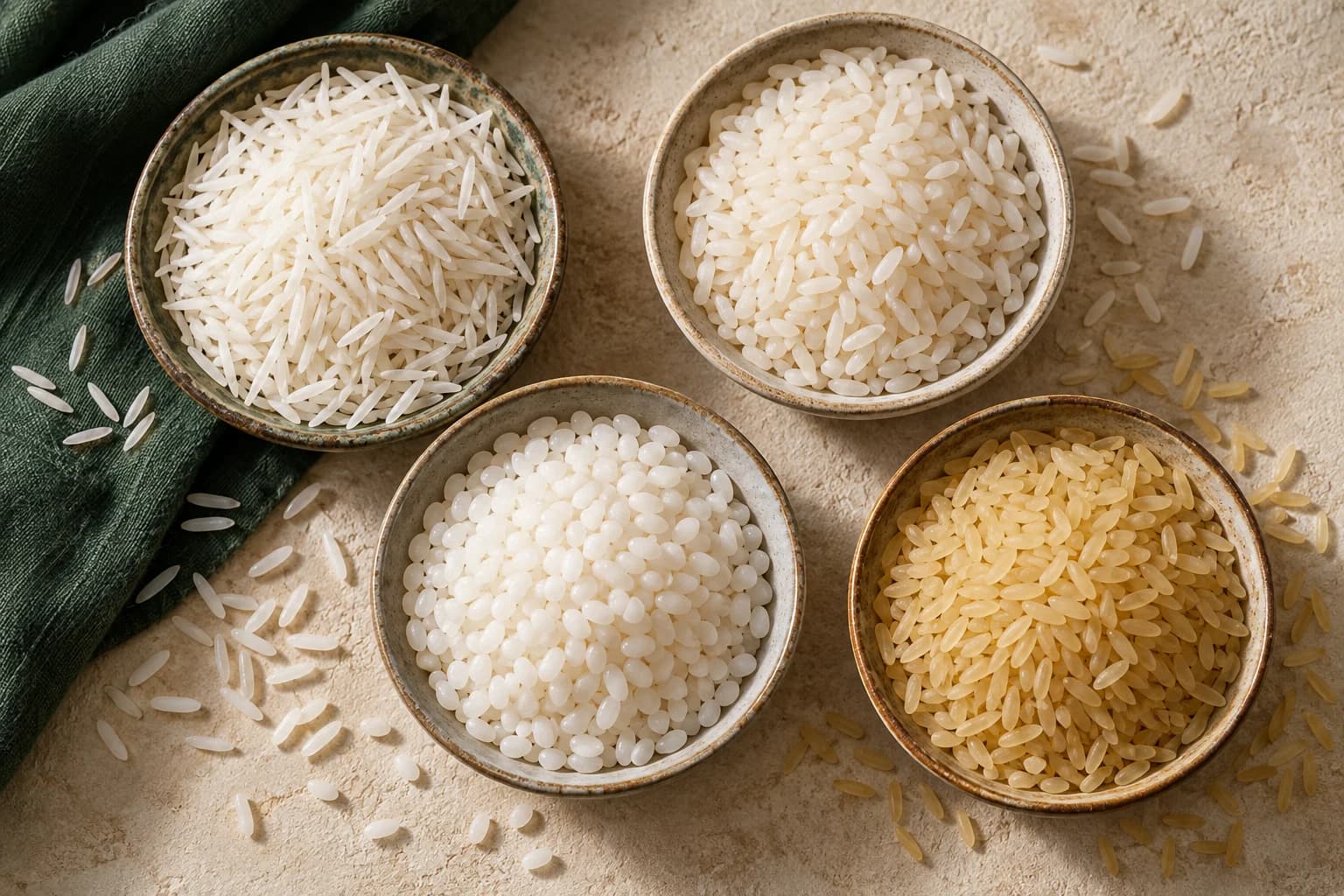
Separate the variety from the processing format and grade. Basmati, Indrayani, IR64, Sona Masoori, and Kolam are variety or product categories; parboiling describes processing, while broken rice describes the grain fraction.
| Rice option | Typical buying consideration |
|---|---|
| Basmati | Long, slender, aromatic grains for premium retail and food service. |
| Indrayani | Fragrance and a softer cooked texture for everyday meals. |
| IR64 | A non-Basmati option for everyday and volume-driven requirements. |
| Sona Masoori | A medium-grain option popular with South Asian households. |
| Kolam | Smaller grains and a softer texture for everyday cooking. |
| Parboiled rice | A processing format to evaluate when firmer cooked grains are preferred. |
| Broken rice | A grain fraction for specified processing, feed, or value-priced applications. |
2. Define your rice specification before asking for prices
A precise specification helps you compare offers fairly and gives both buyer and exporter the same reference if quality questions arise later. Avoid an enquiry that only asks for ‘the best rice price’.
- Rice variety and processing type: raw, steam, or parboiled, as applicable.
- Required quantity and preferred shipment schedule.
- Grain size, uniformity, and other agreed quality parameters.
- Moisture content and acceptable broken-grain percentage.
- Packaging format, bag size, and any private-label requirements.
- Destination country and port.
- Relevant certification, testing, or documentation requirements.
3. Request and approve a representative sample
A sample allows you to assess qualities a price list cannot show. Check appearance, grain uniformity, aroma, cooking performance, packaging quality, and relevant quality parameters before committing to a significant order.
Cook competing samples using the same method and record the results. After approval, make the sample and written specification the agreed reference for the commercial shipment. Keep a retained sample or an agreed record so any differences can be discussed clearly.

4. Compare landed cost, packaging, and shipping terms
The quoted rice price is only one part of the buying decision. Packaging, inland transport, export charges, freight, insurance where applicable, and destination costs can change the total substantially.
Compare quotations on the same quantity, specification, destination, and agreed shipping basis, such as FOB or CIF. Ask exactly what each quote includes. Account for costs once: if freight or packaging is already included, do not add it again.
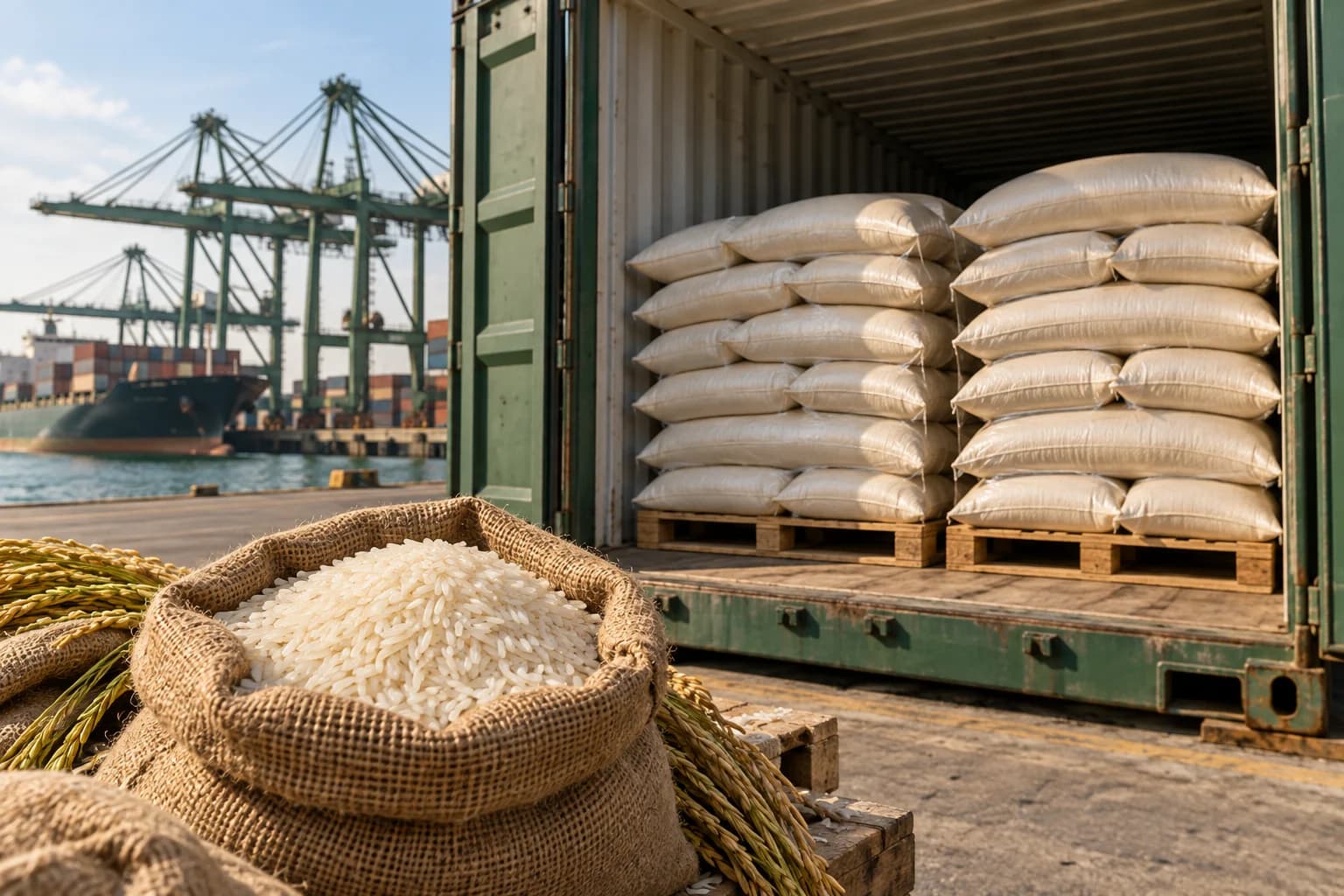
Some buyers need bulk bags for repacking; others need branded, retail-ready packs. Kille Bhudargad Agro offers bulk and private-label packaging tailored to buyer requirements. Agree on pack size, artwork, and other packing details before finalising the quotation.
5. Confirm rice export documents and destination requirements
Depending on the product, shipment, and destination, the document set may include the items below. Confirm the exact requirements with the exporter and your destination-side customs or import adviser before booking the shipment.
- Commercial invoice and packing list.
- Certificate of origin.
- Bill of lading or the applicable transport document.
- Phytosanitary certificate and required quality or inspection certificates.
- Certificate of analysis, when required or agreed.
- Other destination-specific documents, registrations, or approvals.
6. Agree on responsibilities across the supply chain
A dependable rice export process connects sourcing, processing, quality checks, packaging, documentation, and shipment. Ask who manages each stage and how the agreed product specification is checked before dispatch.
The objective is straightforward: the rice that arrives should match the written agreement and approved sample. Clear responsibilities and records make it easier to manage the order from enquiry through delivery.
What should you send to request a rice quotation?
Send the rice variety, quantity, quality specification, packaging preference, destination, and target shipment schedule. Include any relevant certification or testing needs. Kille Bhudargad Agro supplies Indian agricultural products to international buyers, with a focus on rice, spices, bulk supply, and customised packaging.
A detailed brief helps the team discuss a suitable product and provide a quotation tailored to your requirement. Confirm current availability and commercial terms as part of that conversation.
Clear answers
Frequently asked questions
The best choice depends on your customers and application. Basmati suits many premium segments, while options such as IR64, Sona Masoori, and Kolam may fit everyday or volume-driven requirements. Compare samples, specifications, and price positioning for your market.
The export offering includes Basmati and selected non-Basmati varieties, including Indrayani and IR64. Confirm current availability, processing format, and grade with the team for your specific order.
Yes. Kille Bhudargad Agro offers bulk supply for international buyers, subject to the product, quantity, availability, and agreed commercial requirements.
Provide the rice variety, quantity, quality specification, processing type, packaging, destination port, shipment timing, and any certification or testing requirements.
Agree on a written specification, approve a representative sample, retain the agreed reference, and confirm how the commercial shipment will be checked against it before dispatch.